Are American Bullies Good Family Dogs | The Truth Behind It


American Bullies are defined by their wide, blocky heads, chiseled chests, and dense, compact muscle. Visually, they are undeniably powerful. But this intimidating appearance often leads to a massive, fierce debate: Are American Bullies actually safe, reliable family dogs, or is the stereotype true?
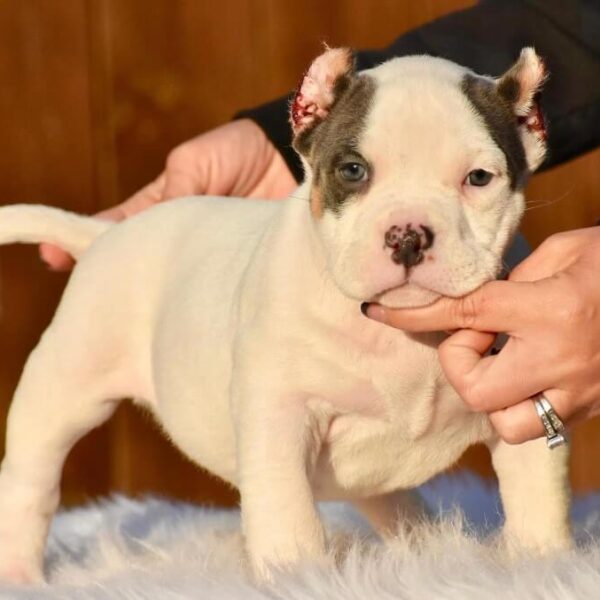
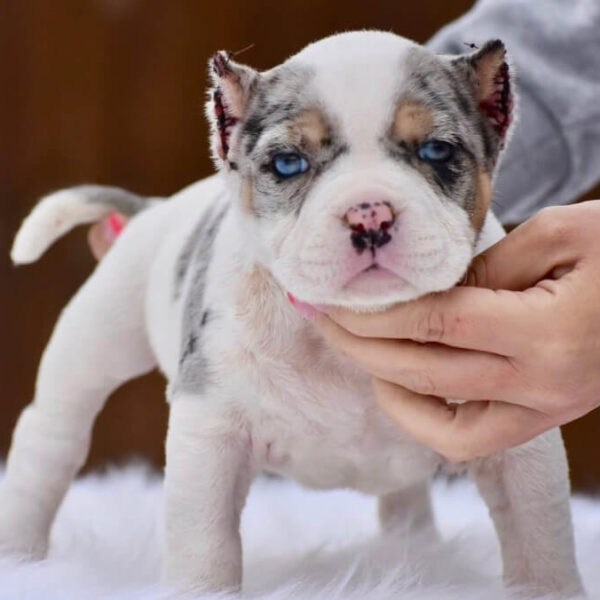
American Bullies make exceptional, loving, and stable family dogs. Despite their muscular, powerful appearance, this breed was engineered specifically for companion life, leaving behind the working drive of older bull breeds.
At American Bullies Home, we have years of experience raising UKC and ABKC registered American Bully puppies and adults directly alongside our own children. By combining hands-on kennel experience with official breed standards and expert veterinary insights, we are pulling back the curtain on the real behavioral data, actual temperament scores, and the absolute truth behind these gentle giants.
- Family Suitability: American Bullies are highly affectionate companion dogs bred specifically to live inside the home alongside families.
- Behavior Around Children: Known for an incredibly high tolerance, patience, and gentle nature with kids of all ages.
- Guard Dog Capability: They make poor guard dogs due to their highly friendly nature, though their muscular appearance acts as an excellent visual deterrent.
- Aggression Myths: True American Bullies are selectively bred to eliminate human and dog-directed aggression completely.
Bred Exclusively for Companionship
To really understand why the American Bully behaves the way it does, you have to peek at where it came from genetically. A pretty common issue that casual observers, and even some old search articles, still make is mixing up the American Bully with its genetic relation, the American Pit Bull Terrier (APBT).
While the breed originated in the mid-1990s using foundation stock from select strains of the APBT and the American Staffordshire Terrier, its developmental goal was completely different.
Historical Working Bull Breeds
Bred historically for high drive, tenacity, and working traits.
Selective Breeding Project Mid-1990s
Strategic infusions of English Bulldog and Olde English Bulldogge genetics to soften temperament.
The Modern American Bully
Engineered purposefully to eliminate dog and human aggression, shifting the focus completely to a stable, loving family disposition.
According to official breed standards from both the United Kennel Club (UKC) and the American Bully Kennel Club (ABKC), the American Bully was engineered intentionally to strip away working terrier drive and dog-directed aggression, replacing those traits with a stable, people-focused disposition. The UKC breed standard explicitly states:
The American Bully breed is, first and foremost, a companion, exhibiting confidence with a zest and exuberance for life. Despite its powerful appearance, their demeanor is gentle and friendly. This breed makes an excellent family dog.
Official Breed Standard
“The American Bully breed is, first and foremost, a companion, exhibiting confidence with a zest and exuberance for life. Despite its powerful appearance, their demeanor is gentle and friendly. This breed makes an excellent family dog. Aggressive behavior towards humans is uncharacteristic of the breed, and highly undesirable.” — United Kennel Club (UKC) Official Breed Standard.
When you buy a puppy from a verified lineage, you are bringing home a dog whose family tree was chosen over generations, for one main metric, how well they show up and love human beings.
Are American Bullies Good with Kids?
The impressive, muscular build of the American Bully often causes parents to hesitate, but the reality of their temperament is quite the opposite of their tough exterior.
American Bullies are excellent with kids and famously earn a reputation as patient “gentle giants” within the household. At American Bullies Home, we see this firsthand every day. Our children are actively involved in interacting with our litters from the moment the puppies open their eyes.
Because the breed was engineered strictly for companion life, the high prey drive and intensity found in older working bull breeds were intentionally selected against during development.
Official breed standards from the ABKC explicitly require an outgoing, stable disposition that thrives on human affection. This selective breeding results in a dog that possesses an incredibly high tolerance and protective gentleness around kids of all ages, making them remarkably safe and loyal family companions.
Through this close, daily experience, we have observed a unique physical and psychological traits that makes the American Bully incredible around kids: their high pain tolerance and physical density.
Toddlers are naturally clumsy, and fine-boned breeds often react to accidental steps or stumbles with a defensive snap. Because American Bullies are built like solid blocks of muscle, they rarely register these minor household mishaps as threats. Instead, their natural patience causes them to simply lean into children like a living pillow.
The Golden Rule: No matter how gentle a dog is, never leave them unsupervised with young children. Boundary training is a two-way street: you must teach your Bully puppy to respect the kids, and teach your children to respect the dog’s space, crate, and food bowl.
Are American Bullies Good Guard Dogs?
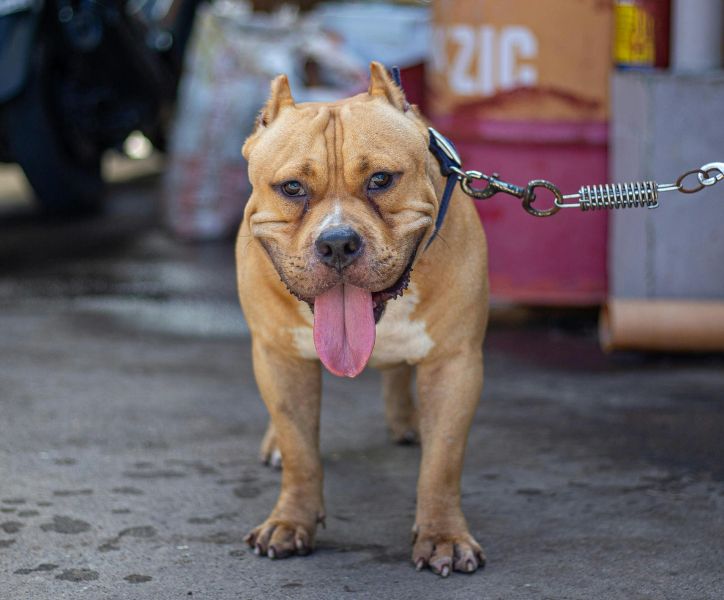
The reality surprises most people: Physically and behaviorally, they make terrible actual guard dogs.
Because human aggression was deliberately bred out of them, a well-socialized Bully is far more likely to greet an intruder with a wagging tail than a defensive bite. They simply love people too much to be natural guard dogs, completely lacking the suspicious, high-alert protective drive you find in a Rottweiler or a Doberman.
However, they excel as a visual deterrent. Most people see a 90-pound block of muscle standing in a yard and immediately decide to walk the other way. They give your home the ultimate security of looking incredibly intimidating, while remaining completely safe around your family, neighbors, and guests.
Temperament Testing Scores
While personal anecdotes from breeders are valuable, objective data provides a clearer picture. The American Temperament Test Society (ATTS) measures a breed’s stability, shyness, aggressiveness, and protectiveness when encountering unexpected stimuli, strangers, loud noises, and crowded environments.Statistically, bully-type breeds consistently rank higher in emotional stability and friendliness than many traditionally favored family dogs. The American Bully boasts an average passing score of 91.3% on temperament evaluations. To put that into perspective, look at how they compare side-by-side with other popular family choices:
| Breed | ATTS Temperament Passing Rate | Primary Trait Profile |
|---|---|---|
| American Bully | 91.3% | Calm, highly stable, people-pleasing |
| Golden Retriever | 85.7% | Friendly, high energy, outgoing |
| German Shepherd | 85.3% | Protective, highly alert, loyal |
| Chihuahua | 69.8% | Highly reactive, vocal, alert |
This high score reflects the breed’s natural emotional resilience. They do not startle easily, they are highly tolerant of environmental changes, and they possess an inherent “couch potato” mental switch that allows them to transition smoothly from an outdoor game of fetch to a quiet nap on the living room rug.
The Reality Check: What You Must Avoid
We don’t believe in sugarcoating what it takes to own this breed. To be completely honest, an American Bully will only reach its full potential as a flawless family dog if both the breeder and the owner do their part.
1. Backyard Breeders and the “Bigger is Better” Trap
The massive surge in the American Bully’s popularity has brought a huge wave of backyard breeders who care more about hype than health. They breed for extreme, unhealthy sizes like “Micro” or “XXL” without doing a single health screening or temperament test.
When you buy an unpapered puppy from an unknown background, you risk inheriting severe joint issues or anxious, unpredictable behaviors.
You should not skip your job. You can ask to see official ABKC or UKC registry papers and health clearances before bringing a puppy home.
2. The Danger of Soft Leadership
American Bullies are incredibly strong. A full-grown Standard or XL Bully can easily hit 70 to 110 pounds of pure muscle.
If you don’t leash-train your puppy early using consistent, positive methods, you will eventually find yourself being dragged down the sidewalk by an adult dog.
They need regular positive training. American Bullies are so sensitive and always eager to please, they will completely shut down if yelled at. Harsh or aggressive methods don’t work on this breed. They actually need clear boundaries, structure, and consistency
Connecting Your Bully’s Care to Their Behavior
A happy, well-behaved family dog is always a direct reflection of their daily routine. Behavioral problems like destructive chewing, digging, or separation anxiety are almost always caused by boredom, a poor diet, or underlying physical discomfort.
If you want your puppy to grow into a balanced adult companion, getting their daily care right is essential.
For a complete, step-by-step breakdown on optimizing their food for clean muscle growth, setting up safe exercise schedules that protect their growing joints, and managing sensitive short-coat skin issues, check out our Complete American Bully Care Guide.
American Bullies are not naturally aggressive. In fact, their entire breed history is built on the exact opposite trait. They were intentionally engineered to be total companion dogs, meaning breeders actively eliminated the high dog-aggression and intense drive found in older bull breeds.
When you look closely at whether American Bullies are aggressive, what you find is a dog that is genetically wired to crave human affection, making them remarkably gentle, stable, and eager to please.
When you pair proper daily care with early socialization, you ensure your Bully grows up to be exactly what they were meant to be.
Frequently Asked Questions:
Is the American Bully Right for Your Family?
If you’re looking for an ultra-aggressive, aloof guard dog to leave out on a chain to protect a piece of property, the American Bully is absolutely the wrong breed for you. They completely thrive on human contact and will literally suffer emotionally if they are isolated from their family pack.
But if you want a loyal, steady, incredibly patient companion that will happily curl up on the couch with your kids, greet your guests with a wagging tail, and turn heads at the park with both its muscular build and rock-solid mind, the American Bully is an unmatched family pet.
Ready to Find Your Next Family Member?
Send Inquiry
Please provide your details to begin the process.
Error: Contact form not found.
References:
Some trained Pocket Bullies for sale: