How to Manage American Bully Skin Problems: Daily Care Routine

⚠️ Disclaimer & Care Note
This guide is based on real-world grooming and hands-on experience raising American Bullies, meant to help with everyday coat care and hygiene. It isn’t medical advice.
If your dog has open sores, severe hair loss, or any signs of an infection, skip the home remedies and consult a licensed vet right away.
Managing American Bully skin problems like yeast, hot spots, or seasonal allergies usually comes down to three things: soothing baths, good food, and consistent grooming. Because these dogs have super short single coats, their skin takes the brunt of pollen, dirt, and everyday irritants.
Taking a proactive approach is really the best way to keep them comfortable and scratch-free.
Catching the early signs of skin irritation lets you step in with simple home care, tweak their diet, or cut out environmental triggers before things get out of hand. It also helps you recognize when it’s time to let the vet take a look.
- Why American Bully Skin Issues Are So Common
- Managing American Bully Skin Problems: Step-by-Step Care
- 1. Bathing Routine: Less Is Usually More
- 2. Daily Maintenance: Facial Folds, Wrinkles, and Paw Pads
- 3. American Bully Puppy Skin Care: Special Considerations
- 4. Practical Tips: What Has Worked in Our Experience
- 5. Coat Support From the Inside Out: Daily Nutrition
- 6. Environment & Home Setup
- When It’s Time to Consult a Veterinarian
- Summary Checklist: The Weekly Bully Care Rhythm
- Frequently Asked Questions:
Why American Bully Skin Issues Are So Common
Unlike breeds with thick double coats, such as Golden Retrievers or Huskies, that trap dirt in their outer fur, Bullies have a short, tight single coat. That makes basic grooming pretty quick, but it also leaves their skin wide open to the elements, making them far more vulnerable to common American Bully skin issues, such as:
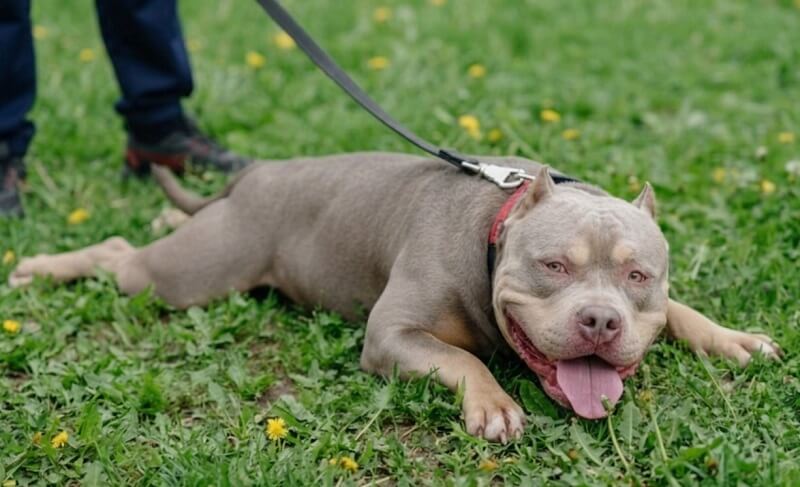
- Direct Environmental Exposure: Pollen, wet grass, lawn fertilizers, and household floor dust touch their skin directly instead of getting filtered out by thick fur.
- Trapped Wrinkle Moisture: Facial folds around the muzzle easily trap saliva, drinking water, and leftover food particles.
- Friction in Skin Creases: High-friction spots like the armpits, chest, and groin naturally build up heat and sweat when your dog runs around.
- Sensitivity to Harsh Cleansers: Their skin barrier is relatively thin, so using heavily fragranced shampoos can easily trigger American Bully skin allergies.
Knowing these physical traits lets you stay on top of their hygiene early on, stopping minor irritations before they turn into real discomfort for your dog.
Managing American Bully Skin Problems: Step-by-Step Care
1. Bathing Routine: Less Is Usually More
When trying to manage American Bully dog skin problems, over-washing is one of the most common mistakes new owners make. Short coats show dust easily, so it’s tempting to reach for the shampoo too often.
Bathing your Bully too often strips away sebum, the natural oil that protects their skin. Once those oils are gone, their skin gets dry and flaky, which triggers scratching and ends up causing even more irritation.
Recommended Washing Frequency
- Full Body Bath: Every 4 to 6 weeks, or only when they get genuinely muddy.
- Targeted Wipe-Downs: 2 to 3 times a week to keep paws, chest, and facial folds clean.
American Bully Bathing Routine Flow
Step 1:
Water TemperatureKeep the water lukewarm. Hot water strips away essential skin oils and opens up pores, leaving their skin dry and itchy once they dry off.
Step 2:
Select the Right ShampooStick to a soap-free, hypoallergenic shampoo made with soothing ingredients like colloidal oatmeal, aloe vera, or chamomile. Steer clear of anything with synthetic scents or artificial dyes.
Step 3:
The Critical Rinse StepLeftover shampoo is the biggest cause of post-bath itching. Take an extra 3 to 5 minutes to rinse thoroughly, especially under the chest, behind the ears, and around the leg creases.
Step 4:
Drying TechniqueSkip the hard towel-scrubbing, which causes friction and irritates the skin. Instead, gently pat them dry with a soft microfiber towel and avoid using hot blow-dryers.
2. Daily Maintenance: Facial Folds, Wrinkles, and Paw Pads
Keeping up with long-term American Bully breed skin problems comes down to quick daily habits. Spending just a minute or two checking high-moisture areas stops bad odors before they start and keeps your dog comfortable.
Managing Muzzle and Facial Wrinkles
The deep wrinkles around an American Bully’s nose and muzzle are classic breed features, but they naturally hold onto leftover water and food after every meal.
- The 60-Second Daily Routine: After their morning or evening meal, wipe between each facial fold using a soft, damp cloth or an alcohol-free, fragrance-free dog wipe.
- The Golden Rule: Always run a clean, dry cloth over the area right after to soak up any remaining moisture. Bacteria and yeast love warm, damp spots, so keeping those wrinkles completely dry stops most surface irritations before they start.
Paw Pad Hygiene
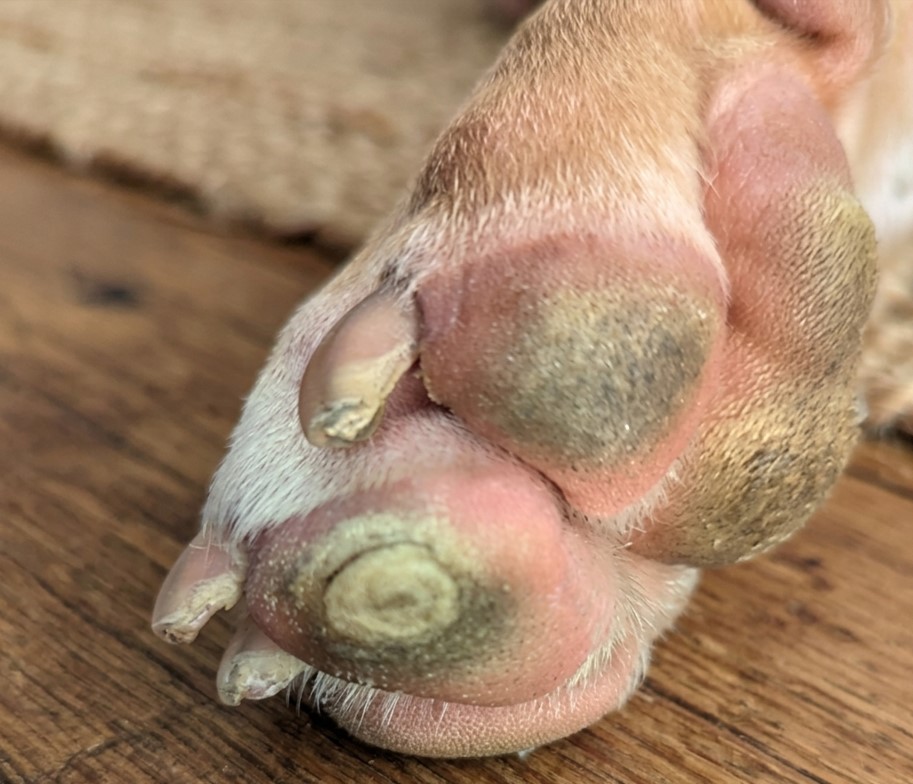
When your Bully plays in the yard or goes for walks, their paw pads trap grass pollen, dirt, and road salt, which is one of the main triggers for seasonal American Bully skin allergies.
Once their paws start itching, they lick them and end up spreading those exact same irritants straight to their face and muzzle.
Keep a dedicated damp towel right by the front door so you can wipe down all four paws after every walk, making sure to get right between their toes.
If your dog’s paws look a bit red after being outside, dip them in a shallow tub of warm water mixed with a splash of raw organic apple cider vinegar to quickly wash away trapped pollen.
3. American Bully Puppy Skin Care: Special Considerations
While adult Bullies are known for having sensitive skin, American Bully puppies are on a whole other level. Their skin barrier is still developing, which makes them way more prone to annoying belly rashes, dry patches, and everyday environmental flare-ups.
Bathing an American Bully Puppy
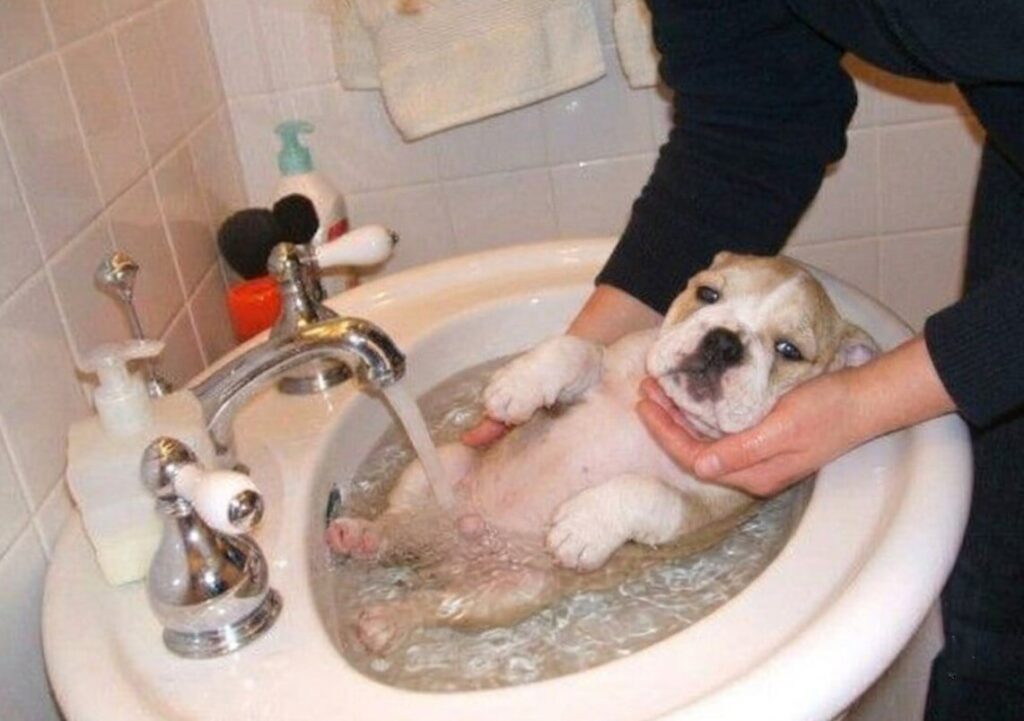
Hold off on real baths until your puppy is at least 12 to 16 weeks old. Unless they get caked in mud, stick to warm water rinses or gentle puppy wipes. If you bathe them, use an ultra-mild, tear-free puppy shampoo, and dry them off completely right away so they don’t catch a chill.
Dealing with “Puppy Belly Rash” (Pyoderma)
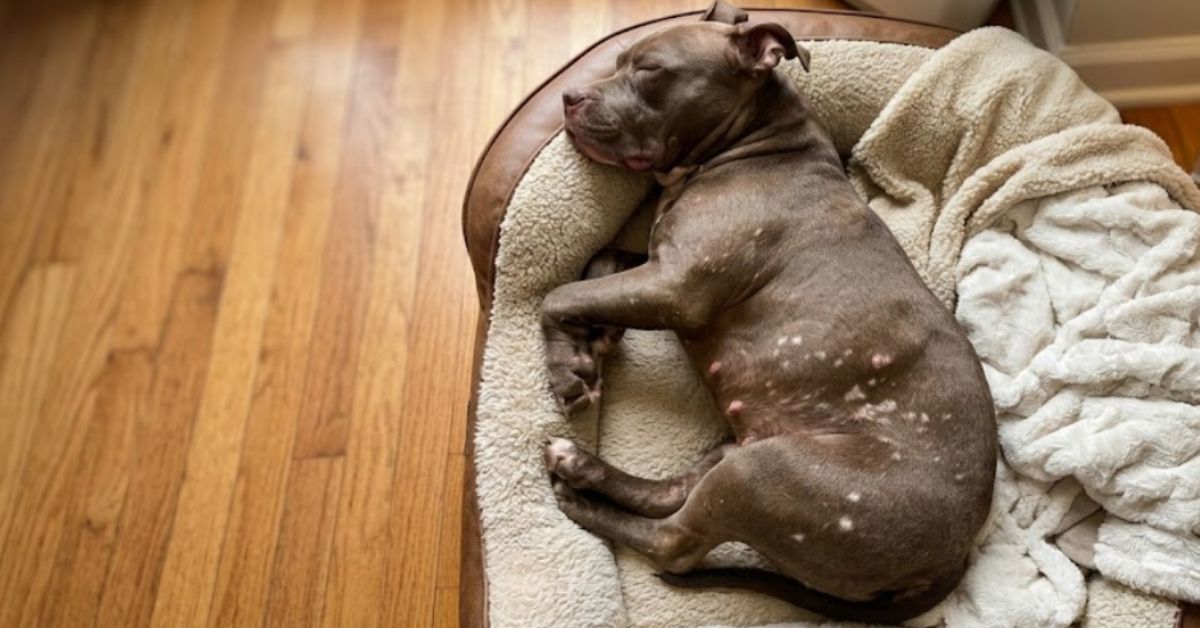
It’s super common for Bully pups to break out in tiny red bumps or pimple-like spots on their bare bellies after playing outside. This is usually just a mild skin reaction from touching grass, damp floors, or rough dirt. Just keep their belly clean and dry, and try to keep them off harsh carpets or dusty ground.
Puppy Nutrition & Coat Transition
Around 4 to 6 months, your puppy will start shedding their soft fur to make way for their sleek adult coat. Stick with a quality puppy food packed with DHAs and Omega fatty acids during this shift. Skip the heavy supplements or strict elimination diets for now without checking with your vet, since growing pups need the right balance of calcium and phosphorus for healthy bones.
4. Practical Tips: What Has Worked in Our Experience
At American Bullies Home, after years of handling dozens of Bullies through every changing season, we have noticed three simple habits that make a massive difference in keeping skin issues under control:
Ready for New Home

- Skip the Wire Brushes: Bullies have short, thin coats, so slicker brushes with metal pins are way too harsh and easily scratch up their sensitive skin. Go with a soft rubber curry brush or grooming mitt instead, using light circular movements. It feels like a massage to them, boosts blood flow, and helps spread their natural skin oils all through their coat.
- Ditch the Plastic Bowls: Plastic water bowls quickly develop tiny scratches that trap bacteria over time, which is one of the main causes of stubborn chin bumps. Swapping them out for heavy-duty stainless steel or ceramic options and giving them a daily wash makes a massive difference in keeping your dog’s chin clear.
- Rinse After Swimming: If your Bully loves splashing in pools or lakes, give them a quick fresh-water rinse right away to wash off any leftover chlorine or lake microorganisms.
5. Coat Support From the Inside Out: Daily Nutrition
External grooming is only half the battle. Your dog’s skin is their largest organ, and how healthy it looks comes down to what goes into their food bowl every day.
In fact, balancing proper nutrition with routine grooming is a huge part of learning how to properly take care of American Bullies for long-term health.
Essential Fatty Acids (Omega-3 & Omega-6)
Adding healthy fats to your dog’s daily meals directly nourishes their skin barrier, cuts down on seasonal shedding, and gives short coats that deep, healthy shine.
Wild Alaskan Salmon Oil
Squirting a little Wild Alaskan Salmon Oil onto your dog’s food is easily one of the best ways to keep their skin from drying out. It’s loaded with EPA and DHA, so just a quick daily pump over their kibble or raw food does absolute wonders from the inside out.
Coconut Oil
Coconut oil works great too, mostly because of its high lauric acid content, which naturally keeps their coat soft and healthy. Just stirring half a teaspoon right into their food is a super easy way to give them an extra boost.
Choosing the Right Feeding Foundation
Stick to foods that put real, recognizable meats like beef, lamb, or salmon right at the top of the ingredient list.
It’s best to step away from commercial kibbles packed with cheap fillers like corn, wheat, or soy, since these are notorious for triggering skin flare-ups and upset stomachs in Bully breeds.
6. Environment & Home Setup
Your indoor setup matters way more than you think when it comes to coat health, especially since Bullies spend so much of their day lounging around inside.
Wash Bedding Frequently
Throw your dog’s bedding, blankets, and crate pads into the wash at least once a week. Just make sure to use a dye-free, unscented laundry detergent, since artificial scents and harsh chemicals can easily trigger skin flare-ups.
Watch Your Floor Cleaners
After mopping your tile or hardwood floors, make sure they are completely dry before letting your dog stretch out. Leftover residue from harsh floor cleaners can easily irritate their chest and belly, right where their fur is thinnest.
Puppy Raised in Excellent Home

Maintain Indoor Humidity
When the weather gets cold and the indoor heat kicks in, the air inside gets super dry. Running a simple cool-mist humidifier right in the room where your Bully sleeps works wonders to keep their skin from getting tight, itchy, and flaky.
When It’s Time to Consult a Veterinarian
While regular grooming, good hygiene, and solid nutrition take care of most everyday skin issues, some symptoms mean it’s time to call in the vet.
It’s time to book a vet visit if you spot any of these warning signs:
- Open sores, bleeding, or weeping skin patches
- Patchy hair loss paired with noticeable swelling or a foul smell
- Obsessive scratching that keeps your dog from eating or sleeping
- Ear infections that keep coming back, or severe redness that just won’t clear up
A vet can do quick skin scrapings or allergy tests to pinpoint the exact issue. If simple daily changes aren’t doing the trick, they can set you up with targeted treatments like prescription medicated shampoos or specific allergy meds to get your dog relief fast.
Summary Checklist: The Weekly Bully Care Rhythm
To keep things super easy, here’s a quick cheat sheet to help you map out your dog’s routine:
| Frequency | Action Item | Target Area |
|---|---|---|
| Daily | Wipe food folds dry & clean water bowl | Facial Folds & Chin |
| Daily | Wipe paws after outdoor walks | Paw Pads & Toes |
| 2x / Week | Gentle rubber curry brush session | Full Body Coat |
| Weekly | Wash orthopedic bed covers | Living Environment |
| 4–6 Weeks | Full bath with oatmeal/soap-free shampoo | Full Body Coat |
Puppy Note: Skip the full baths if your pup is under 16 weeks. Stick to targeted wipe-downs or quick warm-water rinses when needed so you don’t mess with their delicate skin barrier.
Frequently Asked Questions:
What is the best food for American Bullies with skin allergies?
Stick to a clean, limited-ingredient kibble built around single proteins like salmon, lamb, or venison. Adding rich Omega-3 fatty acids helps calm irritated skin from the inside out while repairing their natural protective barrier.
What not to feed American Bullies with skin allergies?
Cut out major triggers like chicken, beef, dairy, wheat, soy, and corn. You’ll also want to avoid artificial dyes, preservatives, and cheap fillers, as they frequently spark chronic itching and yeast issues.
What home remedies can I give my American Bully for allergies?
Try a warm colloidal oatmeal or diluted apple cider vinegar bath to calm itchy paws and skin. Dab organic coconut oil onto dry spots, and mix salmon oil into their daily meals for Omega-3 support.
What skin diseases are common in American Bullies?
They mostly deal with environmental allergies (atopic dermatitis), yeast buildup in their skin folds and paws, demodectic mange, staph/bacterial skin infections (pyoderma), and itchy skin reactions caused by food intolerances.
What should I do if my Bully gets dirty between their scheduled bath days?
Skip the full bath so you don’t dry out their coat. Just grab a damp microfiber towel with warm water and wipe down their paws, belly, and chest to lift off dirt without stripping essential skin oils.
Can I use a human hairdryer on the “cool” setting to dry my Bully faster?
Stick to soft microfiber towels. Even on cool settings, high-powered dryers can force moisture deep into their skin folds, strip away natural hydration, and cause harsh friction on a Bully’s short coat.
How do I know if my American Bully has a skin infection or just allergies?
Allergies usually manifest as widespread redness, constant scratching, and paw licking. A bacterial or yeast infection often presents with distinct crusty lesions, circular hair loss, pustules, or a strong musty odor.
How often should I clean my American Bully’s skin folds?
Clean their facial and body wrinkles 2 to 3 times a week using a gentle, alcohol-free wipe. Always dry the folds thoroughly afterward, as trapped moisture creates a breeding ground for yeast.
When should I take my American Bully to the vet for skin issues?
Schedule a vet visit if you notice open sores, bleeding, severe hair loss, sudden swelling, or if home remedies fail to ease intense itching within a few days.
Final Thoughts
A sleek, healthy, and shiny coat on an American Bully doesn’t come down to expensive products or overly complicated routines. It’s simply the result of steady, basic everyday habits.
By staying on top of facial folds, keeping paws clean, feeding a solid diet, and sticking to gentle baths, you’ll naturally prevent common American Bully dog skin problems while keeping your dog comfortable, confident, and looking their absolute best.